

Sharing with you from the Heartland of the United States
According to the most recent USDA Hardiness Zone Map, we’re in Zone 7a, which means our average annual extreme minimum temperature is between 0 and 10 degrees Fahrenheit. (Windchills have registered below zero.)
So, is the growing season from April to October?
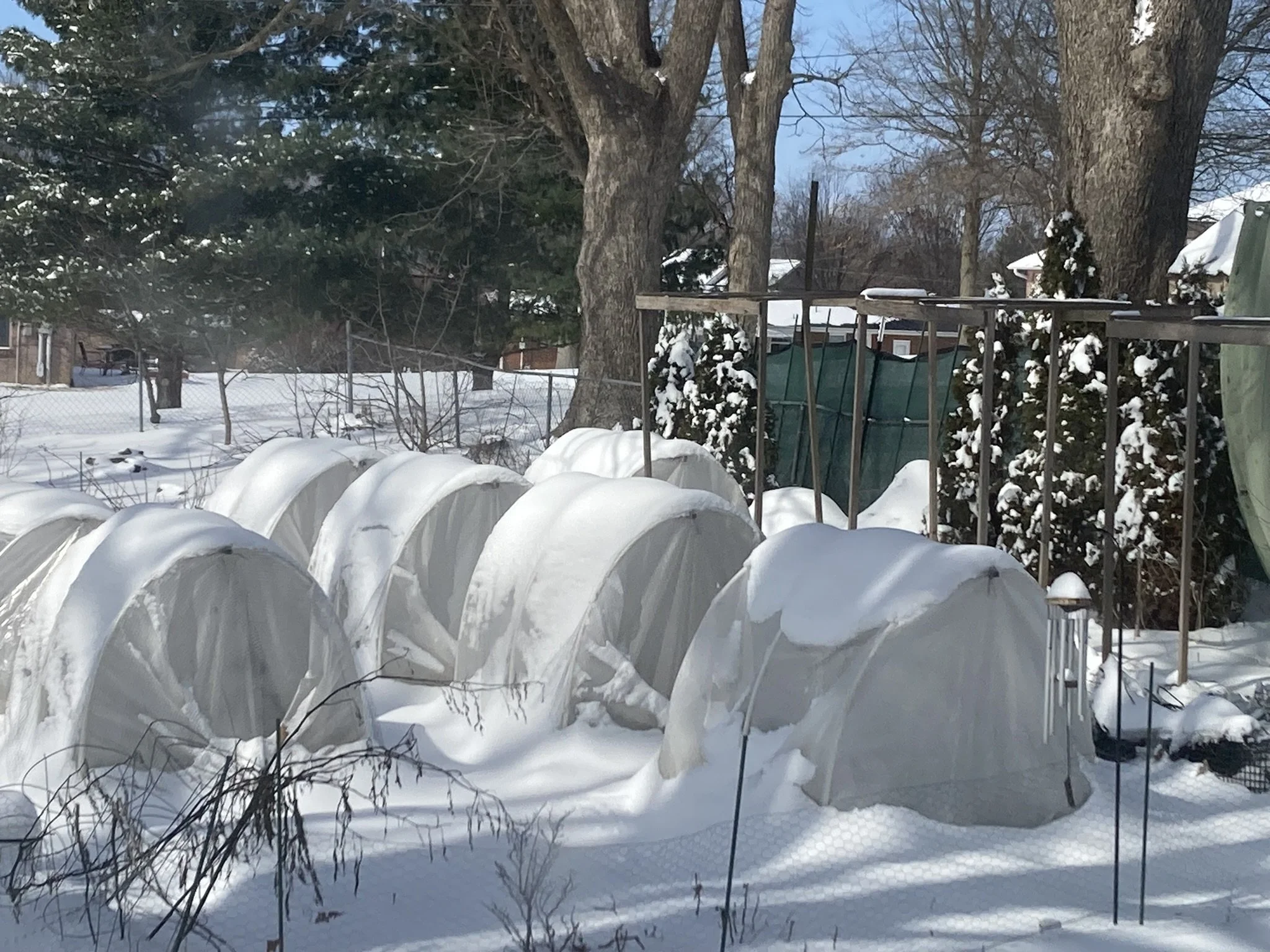
We grow year-round, baby!
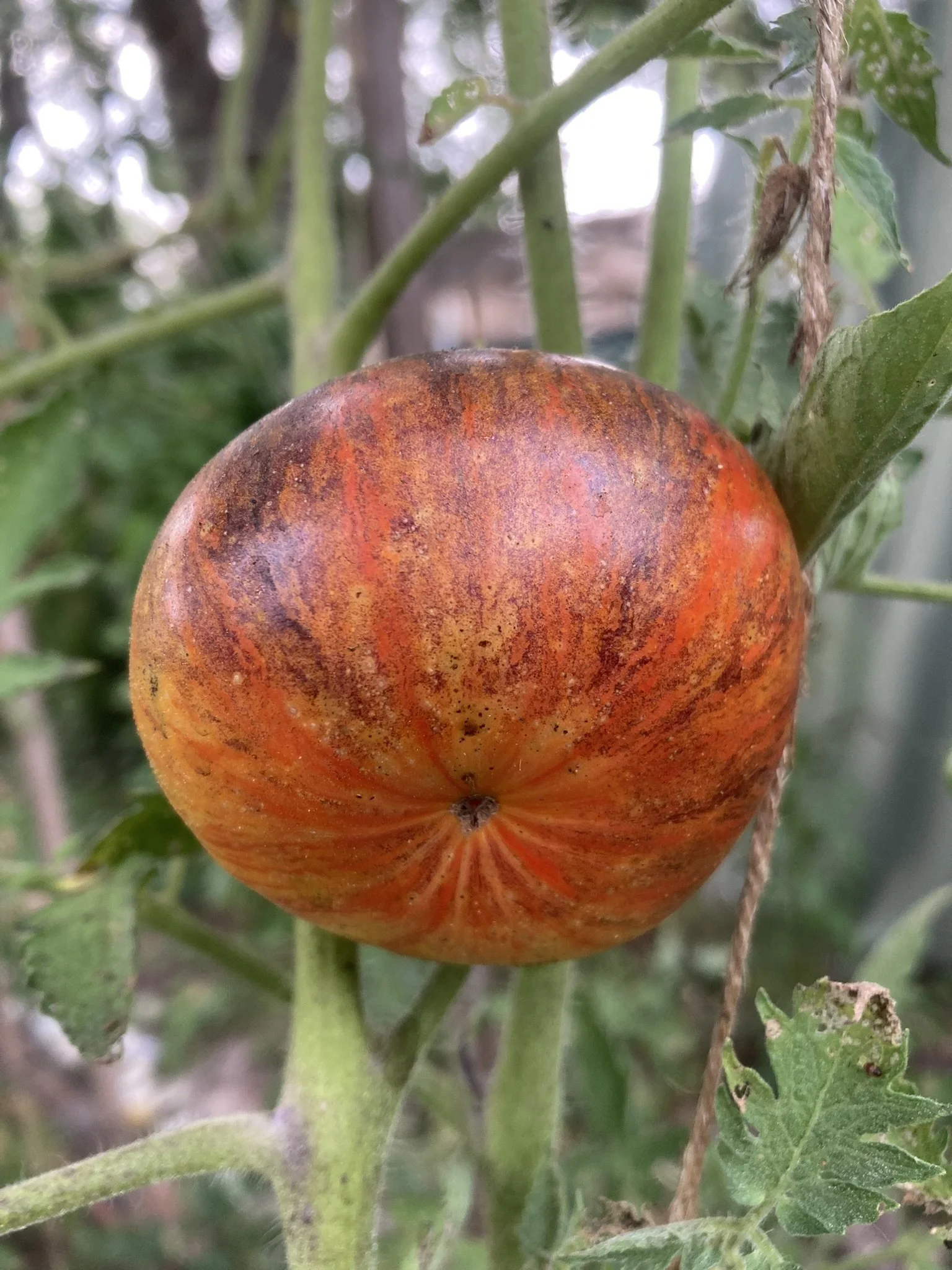
We also grow unique and heirloom varieties that are a foodie’s dream.
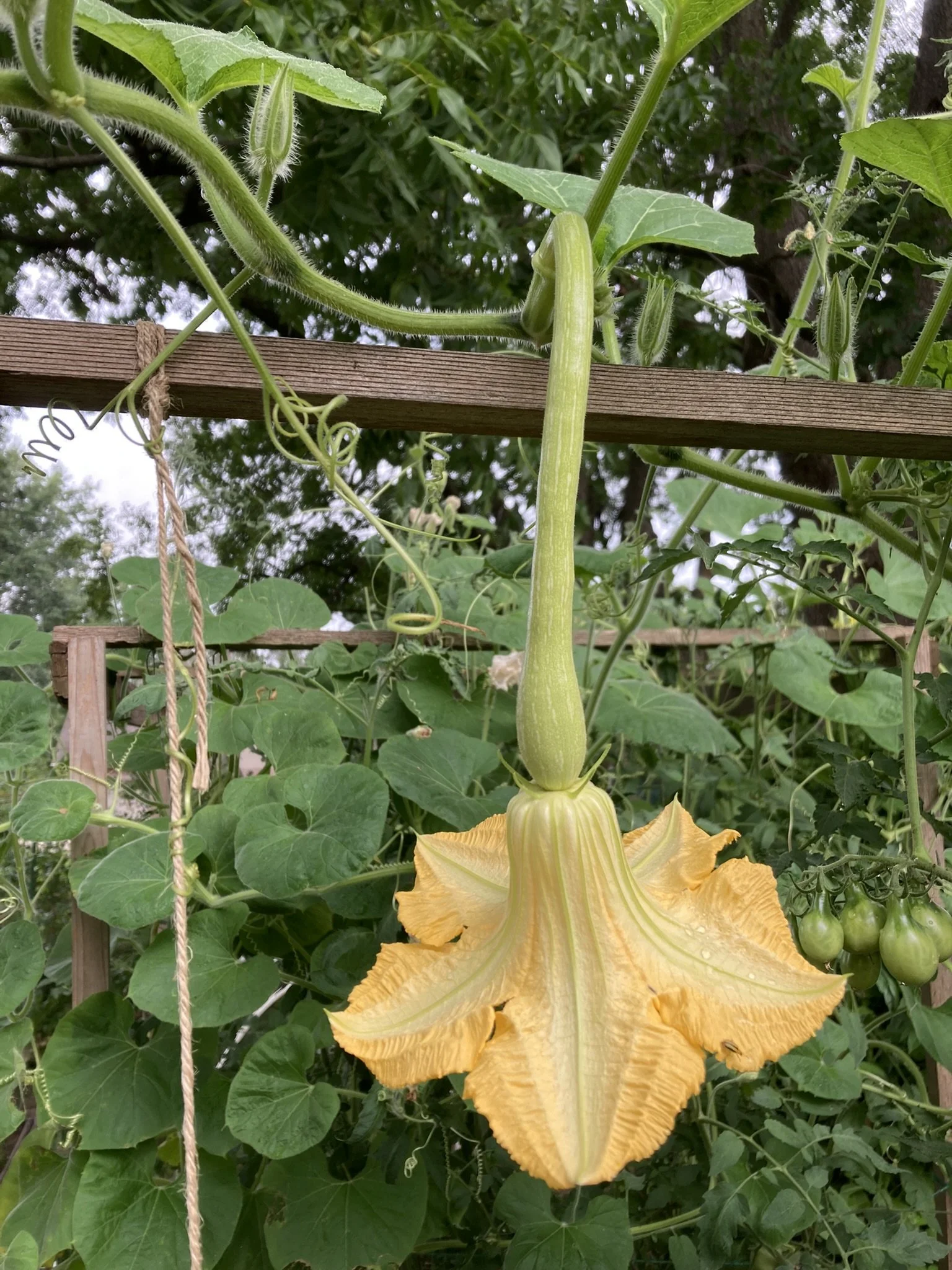
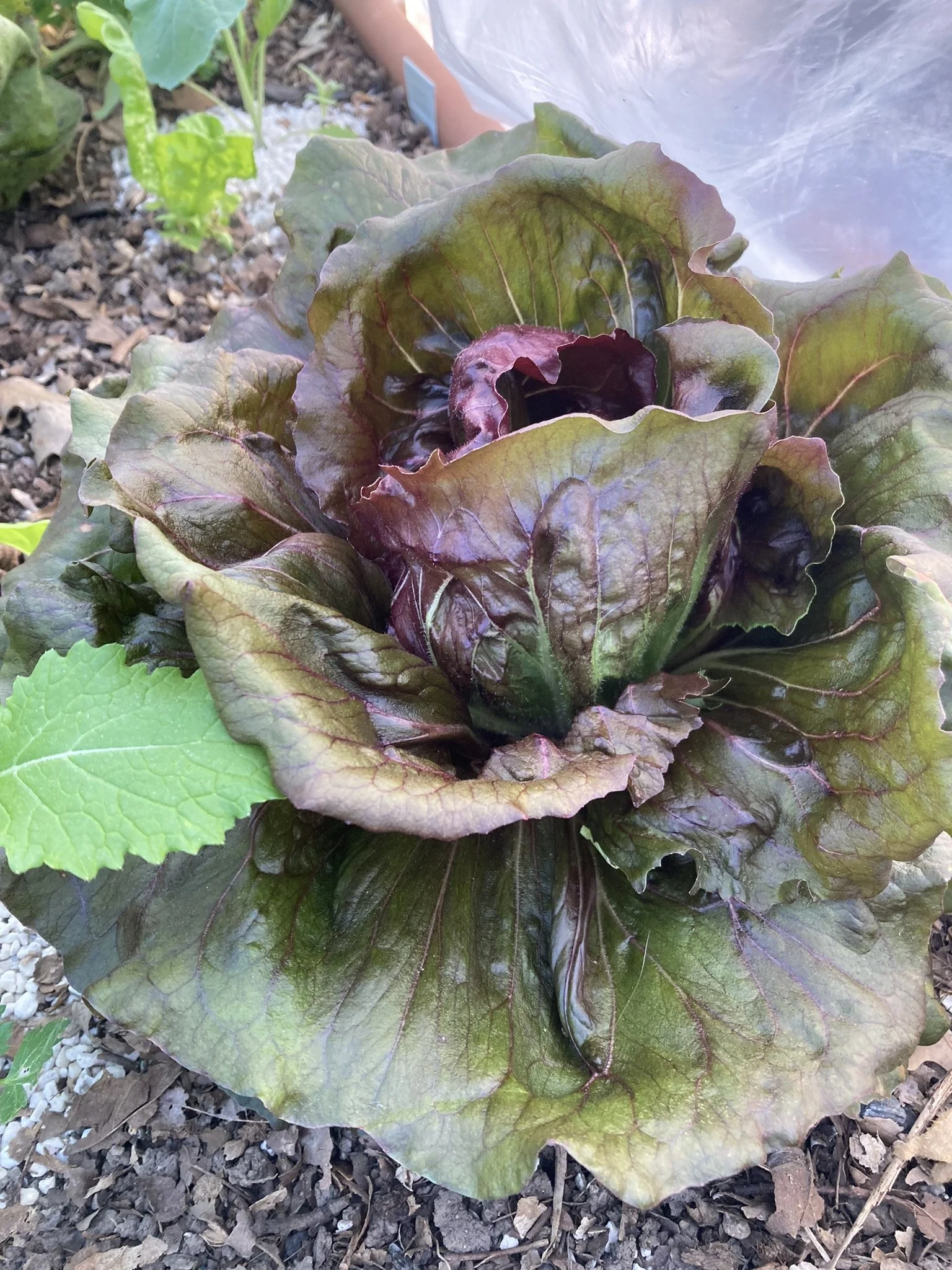
And, thanks to the greenhouses, the focus is on beautiful greens.
Things just got even more fun, now that we can offer inspiration to you.
We share for free on our YouTube Channel.

And, we also offer our exclusive “Seed Starting Quick Course” to help you get started and create your own magic!
Imagining a beautiful, healthy world.
Imagining a beautiful, healthy You.
And, believing You can do this, too!
Hi, so glad you’re here!
I’m Christine Rae Miller, founder of The Imagined Garden, where I get to share my organic kitchen garden with you.
And, together, we’ll watch our imaginations come to life!
I’ve been hanging out with plants for quite a while. With spring’s arrival, my favorite Saturdays involved taking a mug of coffee with me to stroll through the nurseries. I would study plant tags, committing to memory shade loving, sun loving, perennial, annual, and plants with a generous hardiness zone.
Having chosen to be of service as a teacher, it was mostly only window shopping on those first years’ salaries (which seems so silly now after watching and being up close to nature’s abundance). I saved up and gradually started adding shrubs and perennials, landscaping with Hollies and Boxwood and Hosta, adding Limelight Hydrangeas and Arborvitae for privacy.
I’ve also been a health-conscious foodie for most of my adult life. When traveling to larger cities, a stop at a Whole Foods store was a scheduled highlight. Pastimes include studying plant ingredients, natural remedies, and health benefits. Loving to cook and to find special ingredients, I frequented farmer’s markets. And, I have shopped as organically as possible for years.
But, I didn’t think I had time to grow my own. And, at first, I had no knowledge of how to actually grow organically myself. It was this mysterious thing that only a few certified growers on the West Coast seemed to know how to do.
The mystery was even greater, because I had grown up around “conventional” farming. And, I had observed a garden that mirrored those practices – formed in rows, requiring an unwieldy, motorized tiller, and chemical fertilizers and pest controls. While the home-grown tomatoes were better than store-bought, the observation mostly showed me what I didn’t want.
So, I continued to shop organically. I could at least vote for the organic growers with my dollars. But, not enough time, not enough knowledge, this would not be something I would be doing myself.
Except, I must have talked a lot about doing it myself. Because, my mom surprised me with 2 raised bed kits for Christmas one year.
And the kits sat in the garage for a year. And another year. And another.
Then, in 2015, the impulse to start finally pulled me into motion. A water shortage in California was being publicized. And, every time I bought groceries, it was top of mind that a nation relying on one state for its food production was not very wise. That spring, I also came across clearance blueberry and raspberry bushes that gave me the nudge I needed. I came home and measured, and the grid-paper came out, and the planning started. And, I started digging in the middle of my yard. The berry bushes went in. Then, the two raised beds.
I didn’t know what I was doing, but I did it anyway. I scattered lettuce seeds like grass seed – no lettuce. I planted broccoli seeds. I thought, even if I don’t get broccoli, there’s broccoli sprouts, right? Only a few sprouts survived – and definitely no real broccoli. Tomato plants from the garden center did produce a few fruits but seemed to produce just as many worms.
And I was determined to do this organically.
So, I found books and (at the time, very few) websites and started studying and trying and “failing.” A lot. And four more beds went in. Then six more. Plus an orchard. And, I started successfully harvesting greens and tomatoes and more. And, in the fall of 2019, I had an impulse to try cold-frames and gardening through winter. This is when my mini-greenhouses were born. And, they worked! Getting to harvest kale in December and January was so cool! Next thing you know, I also had a head start on the next season.
That next season was 2020. And, as grocery stores were being emptied, I was able to stay home and let my neighbors have what they needed. I knew there would be pantry items and preferences (Hello, coffee & chocolate!) to restock. But, I had plenty of fresh produce and was even able to share some with neighbors.
I started filming and photographing that year, wanting to share what I was doing so that you could have it, too. But, what to share? Photos of what was growing could provide inspiration, but they wouldn’t, on their own, make it happen for someone else. What were the biggest keys that could help someone else do what I can do?
One key is the mini-greenhouses. Not only do they make fresh greens and herbs possible in the winter, but the season extension makes so much more possible. The blog, video, and printable shopping list can be found here.
The other key is knowing how to start my own seeds. I have plants when the garden centers are empty. And, I get to grow so many more varieties and so much more economically than if I had to buy starter plants. If I can help you start your own seeds, then even if you’re starting with grow-bags or a big pot, you can have your own fresh produce to rely on. So, I created the Seed Starting Quick Course to help you do what I can do.
And now, here we are, with the Imagined Garden website and YouTube Channel. Imagining a beautiful, healthy world. Imagining a beautiful, healthy you. Together, let’s bring our imaginations to life!